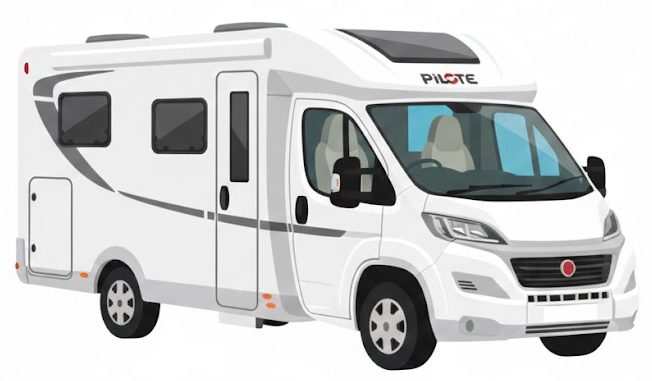
Buying your first motorhome
Welcome to the open road! Few purchases offer the pure freedom and excitement of a motorhome. This is your ticket to spontaneous adventures, custom itineraries, and truly unplugging from the everyday hustle.
Before you commit to your new lifestyle, it is crucial to understand the fundamental decisions and knowledge required to make the right purchase and keep your home on wheels running smoothly.
This guide is designed to walk you through the entire process, starting with the critical steps of buying, including thorough inspection protocols and essential damp checks to safeguard your investment from structural issues. We will then transition into the responsibilities of motorhome ownership, detailing the specialist insurance you need for comprehensive protection and outlining the vital annual maintenance schedule, covering both the engine's service requirements and the habitation area's safety checks.
Finally, we demystify the onboard systems, from managing the dual electrical circuits (engine and leisure batteries) to mastering water storage, waste disposal, and responsible touring etiquette.
This stage is about understanding your new lifestyle completely, ensuring safety, legality, and comfort on the road.
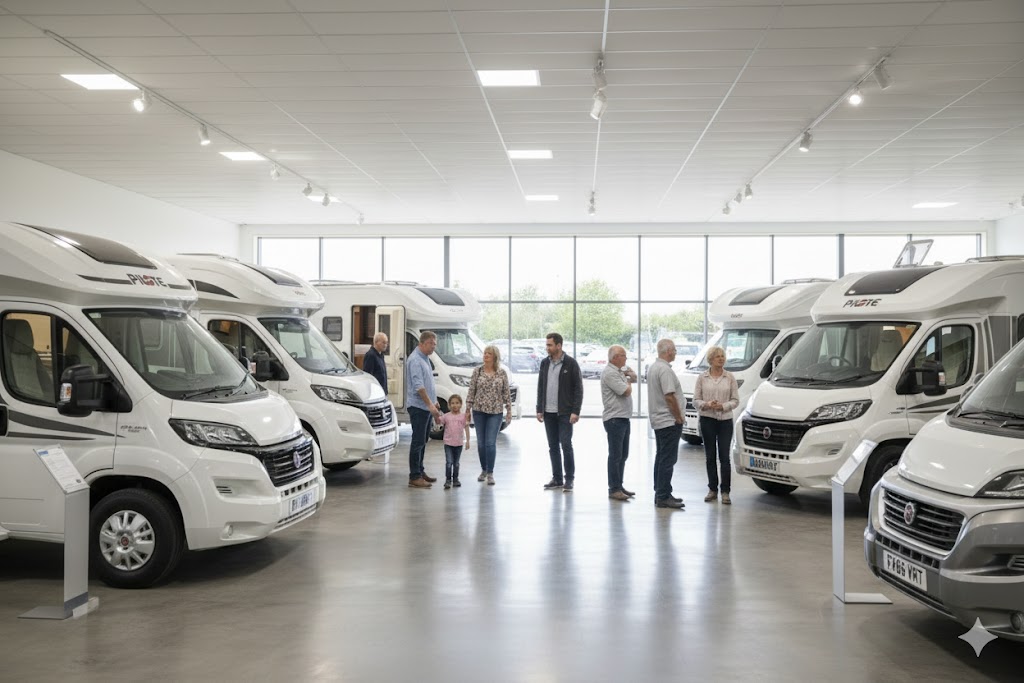
Choosing Your Motorhome
The Foundation: Lifestyle, Classes, and Legal Requirements
New vs. Used: Which is Right for You?
| Feature | 🆕 New Motorhome | 💰 Used Motorhome |
|---|---|---|
| Cost & Depreciation | High initial cost; significant depreciation in the first few years. | Lower initial cost; depreciation slows down. |
| Warranty & Checks | Full manufacturer chassis and habitation warranty (often multi-year). | Limited or dealer-supplied warranty; requires a pre-purchase Habitation Check. |
| Features | Latest technology, modern engine efficiency, newest safety standards. | May require upgrades (e.g., solar, reversing camera, TV). |
| Condition | Immaculate condition; full peace of mind. | Potential for wear and tear, especially damp; requires thorough inspection. |
Our Expert Advice:
For first-time buyers, a quality used motorhome (3–5 years old) often offers the best balance of lower initial cost and proven reliability.
Understanding Motorhome Classes
Motorhomes are grouped by their construction type. Choosing the right class depends on who you travel with and where you plan to go.
1. Van Conversions (The Discreet Traveller)
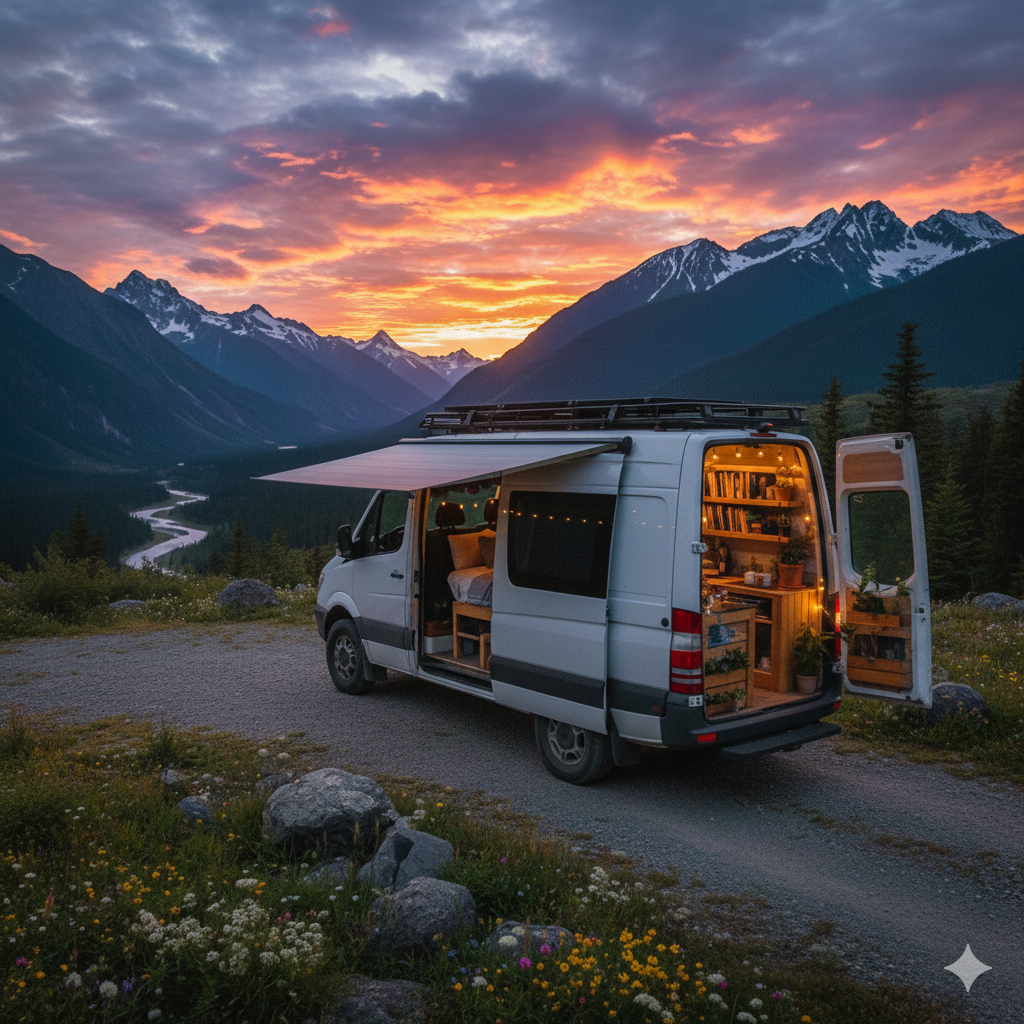
- Description: Built completely within the original metal van body (e.g., Fiat Ducato, VW Crafter).
- Best For: Couples, urban use, and those prioritising discreet parking and fuel economy.
- Strengths: Easy to drive and manoeuvre, generally better fuel economy, fits into regular parking spaces.
- Trade-offs: Limited living space, small washroom/kitchen, and cramped storage.
2. Coachbuilt (The UK Standard)
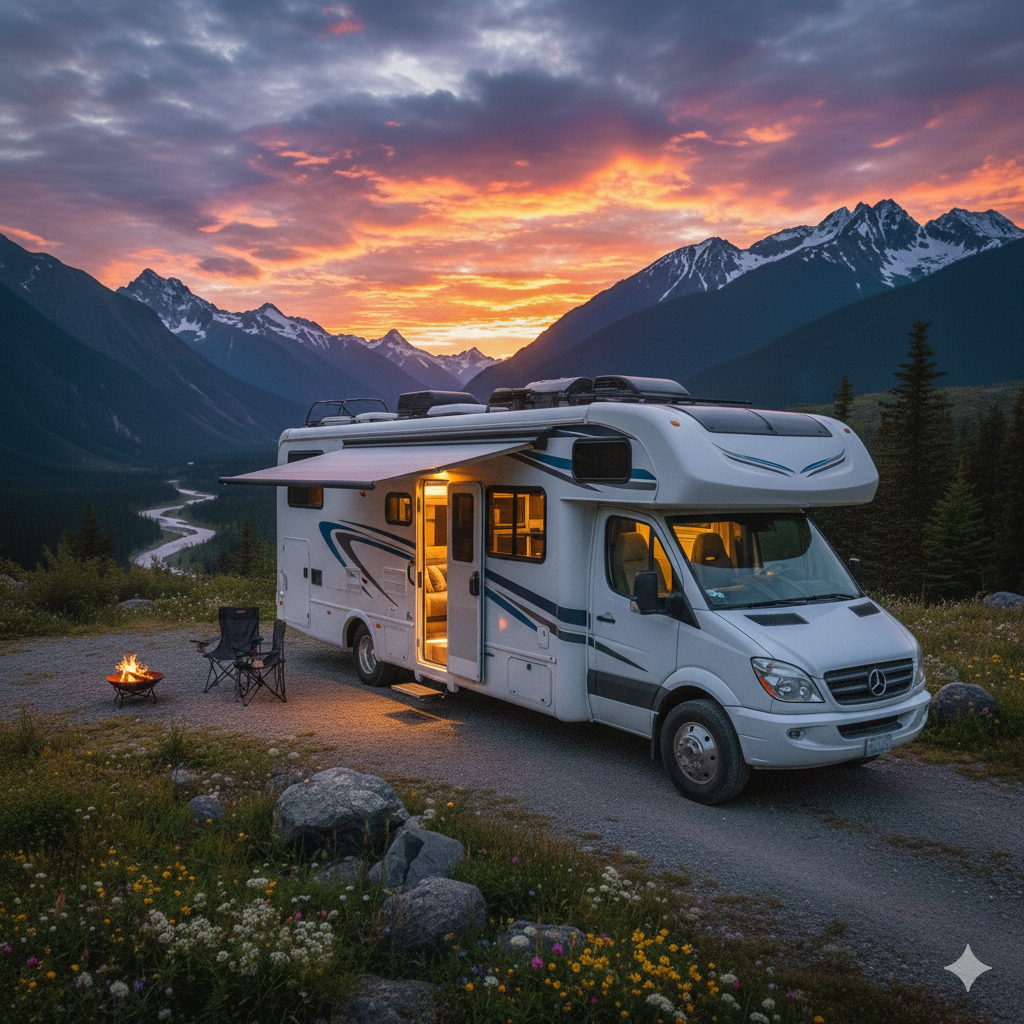
- Description: Built onto a cut-down van chassis, featuring a separate box body. The most common type in the UK and Europe.
- Best For: Families, long-term touring, and those needing fixed beds and a garage.
- Strengths: Excellent living space, dedicated fixed beds, and large rear garage storage.
- Trade-offs: Wider than a van, can feel bulky on narrow country roads, often a lower payload capacity.
3. A-Class (The Luxury Cruiser)
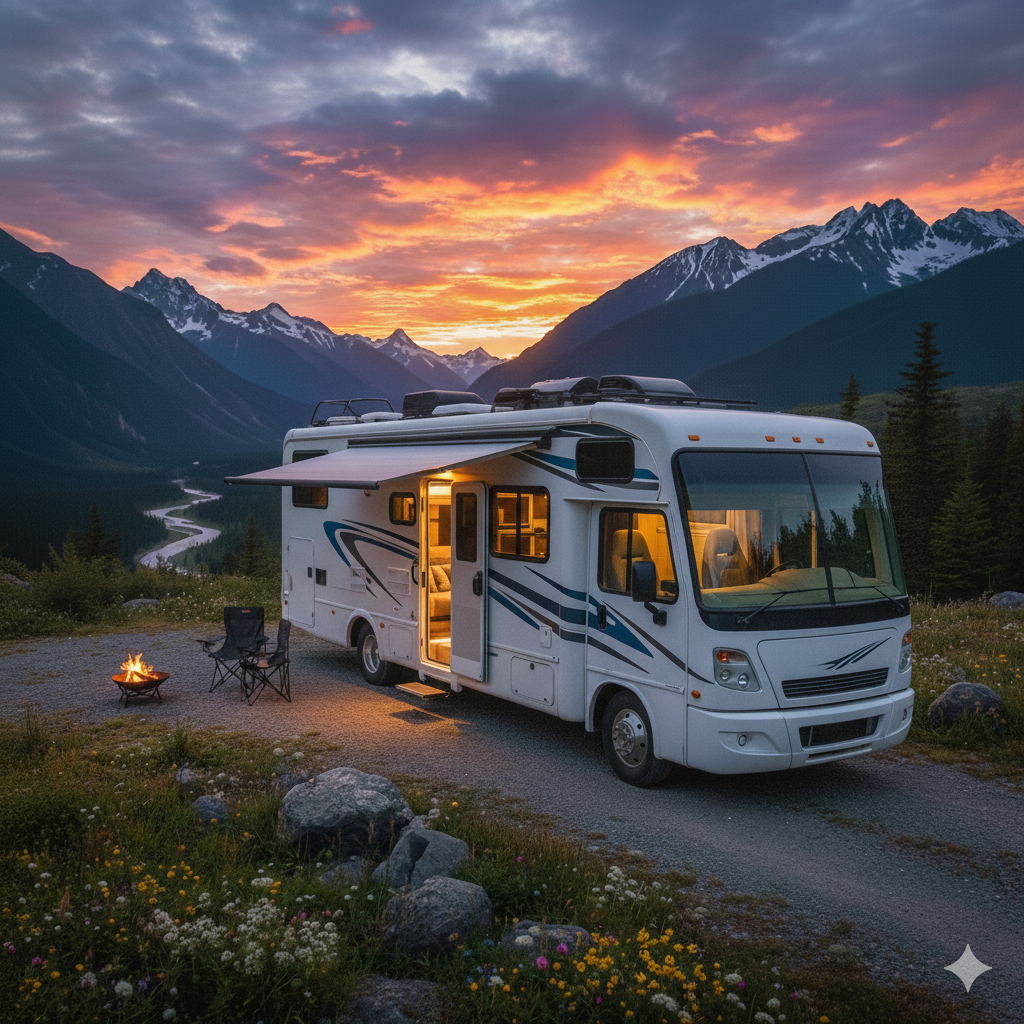
- Description: The entire body, including the cab, is manufactured by the motorhome maker, resulting in a seamlessly integrated design.
- Best For: Luxury seekers, full-time living, and long-haul continental touring.
- Strengths: Panoramic windscreen views, excellent insulation, high-quality finishes, and large drop-down cab bed.
- Trade-offs: Highest price point, complex body repairs, and generally higher insurance premiums.
Berths, Belts, and the Law of Weight
You must understand these critical terms before buying to ensure you stay safe and legal:
- Berths (Sleeps): The number of sleeping places available.
- Belts (Travels): The number of legal, fitted seatbelts. Never travel with more people than you have legal seatbelts.
- Maximum Authorised Mass (MAM): This is the maximum legal weight the vehicle can be when fully loaded.
Understanding Your License Requirements
| MAM Weight | License Requirement | Typical Vehicle Size |
|---|---|---|
| 3,500 kg (3.5 tonnes) | Standard Category B driving license (UK car license). | Van conversions, smaller coachbuilts. |
| Over 3,500 kg | Category C1 license required (or grandfather rights). | Larger A-Class, long-wheelbase Coachbuilts. |
Crucial Step: Always check the V5C Registration Document for the MAM weight, and ensure your license is valid for that category.
The Pre-Purchase Checklist
Essential Checks for Used Motorhome Inspections
Buying a motorhome is an investment. If you are buying used, a thorough inspection can save you thousands in repairs. Damp and water ingress is the biggest threat to any motorhome.
1. The Mechanical & Chassis Inspection
Start with the base vehicle, as if buying a large van:
- Service History Insist on a full, documented service history for the engine. Look for regular oil changes and checks.
- Timing/Cam Belt Find out when the timing belt (or chain) was last changed. This is often an expensive job required every 5-7 years, regardless of mileage.
-
Tyre Age
Check the four-digit DOT code on the sidewall (e.g.,
3222means the 32nd week of 2022). Motorhome tyres rarely wear out but degrade with age. Replace any tyre over 7 years old. - Rust & Underbody Look underneath the vehicle (especially the wheel arches and sills) for excessive corrosion. The base chassis must be sound.
2. The Damp and Habitation Check
(The Most Critical Step) Damp cannot always be seen. If buying privately, we strongly advise paying a mobile technician to conduct a Pre-Purchase Habitation Damp Test.
| Area to Check | What to Look For |
|---|---|
| Visible Damp | Discolouration, rippling wallpaper, spongy feeling floor, or a persistent musty smell. |
| Roof & Skylights | Check all sealant joints around the roof, skylights, aerials, and solar panels for cracks or gaps. |
| Locker & Storage | Check the very back corners of all overhead lockers and under-seat storage areas, as water tends to pool there. |
| Windows & Vents | Ensure all windows open, close, and lock smoothly. Check the rubber seals for signs of perishing or cracking. |
3. Appliances and Systems Test
Ask the seller to have the motorhome hooked up to mains electric and gas:
Gas System
Turn on the gas and test the hob, oven, and boiler/heater. The fridge must cool quickly when running on gas.
Water System
Fill the fresh water tank. Run all taps (hot and cold). Check for strong flow and look under the sinks for leaks. Run the shower.
Toilet
Flush the toilet and ensure the cassette blade opens and closes smoothly.
Electrics
Check all 230V sockets when on electric hook-up. Check all 12V lights and the functionality of the control panel.
Motorhome Ownership: Safety & Maintenance
Protecting Your Investment and Ensuring Safety
Now that you own your motorhome, the focus shifts to preservation and safety. Proper annual maintenance is key to protecting your investment and your warranty.
1. Motorhome-Specific Insurance
A standard car insurance policy will not be sufficient. You need specialist motorhome insurance that covers:
- Agreed Valuation For classic or older motorhomes, an agreed valuation ensures you receive a fair payout if the worst happens, rather than the insurer's market rate.
- Contents Cover Protection for the personal belongings (TV, bedding, kitchenware) inside the habitation area.
- European Travel If you plan on continental trips, ensure your policy includes sufficient foreign-use cover and robust European breakdown assistance (including repatriation).
2. The Annual Maintenance Schedule
Two separate annual checks are required for a motorhome:
A. The Engine Service & MOT
This follows the manufacturer's recommendations for the base vehicle (e.g., Fiat, Ford). If the motorhome is over three years old, it requires an annual MOT.
B. The Habitation Check
This essential annual check, performed by a qualified technician, covers the living area:
- Gas system safety and leak test.
- 230V mains and 12V DC electrical system function and safety.
- Damp and water ingress inspection.
- Appliance function (fridge, heater, boiler).
3. Security and Safety Must-Haves
- Fire & CO2 Alarms Install a dedicated Carbon Monoxide (CO2) alarm and a separate Smoke Alarm. Gas heating and cooking systems pose a risk. Test them regularly.
- Vehicle Security Fit a visible deterrent like a steering wheel lock or a deadlock on the cab doors. If storing for long periods, consider a ground anchor and heavy-duty chain or a GPS tracker.
Motorhome Systems Explained
Understanding Electrical, Water, and Waste Management
The inner workings of a motorhome can seem daunting, but once you understand the core concepts, they become manageable.
1. Demystifying the Electrical System
A motorhome runs on two separate electrical circuits:
| Circuit | Purpose | Charging Method |
|---|---|---|
| Engine Battery | Starts the engine. | Alternator (while driving). |
| Leisure Battery | Powers the lights, water pump, 12V sockets, and electronics in the living area. | Mains Hook-up Charger, Alternator (while driving), Solar Panel. |
Going Off-Grid:
If you want to use standard household items (e.g., a hairdryer or kettle) when you are not on a mains hook-up, you will need a powerful Inverter. This converts the 12V power stored in your leisure battery into 230V mains power. Be warned: using high-draw appliances rapidly depletes the leisure battery.
2. Water and Waste Management
Responsible water management is a cornerstone of motorhoming etiquette:
- Fresh Water Stored in the onboard tank. Always use a food-grade hose to fill it. Sterilize the system annually using a specialist fluid.
- Grey Water Waste water from the sinks and shower. It is stored in a separate tank underneath the motorhome. Must be emptied at a designated grey water drain point.
- Black Water (The Cassette) Toilet waste is stored in a removable cassette. This must only be emptied at a Chemical Disposal Point (CDP), found at campsites and some designated facilities (like Aires). Use appropriate chemicals to break down the waste and control odour.
Motorhome Etiquette and Tour Planning
Guidelines for Respectful Travel
The motorhome community is built on camaraderie and respect. Following these guidelines ensures you are a welcome visitor everywhere you park.
1. Motorhome Etiquette and Respect
- Arrival and Departure: If you are staying at a pub stopover or in a low-key area, try to arrive late and leave early to minimise disruption.
- Waste Disposal: The golden rule: Never dispose of grey or black water into storm drains, rivers, or hedgerows. Grey water is not clean water.
- Generators and Noise: Be mindful of your neighbours. Keep music and conversation volume down, especially in the evening. Limit generator use, or avoid it entirely after dark.
- Awnings: Only deploy large awnings at established campsites where space is clearly defined. Don't crowd your neighbours or block access roads.
2. Planning for UK and European Tours
-
Payload Management:
You've got your MAM, but what about your Payload (the remaining weight for people and gear)? Be ruthless when packing. Items like water, gas bottles, and full fuel tanks eat into your payload quickly.
Action: Find a local public weighbridge and weigh your motorhome when fully loaded to ensure you are legal.
-
European Touring:
If crossing the Channel, you must comply with EU regulations:
- Vignettes/Tolls: Research country-specific toll systems (e.g., France, Austria).
- Headlight Deflectors: Required for driving on the right.
- GB/UK Sticker: Required if your number plate doesn't display the logo.
- Speed Limits: Motorhome speed limits are often different from cars—know the local rules!